
If you have to insist on your authenticity, you have probably already weakened it.
This tension is becoming more acute as luxury enters a new cultural phase. AI has made aesthetic imitation infinitely scalable. Taste, once expensive to acquire, can now be replicated instantly. Every brand has access to the same visual references, the same language of restraint, the same signals of “quiet luxury”. The result is a growing sense of aesthetic homogenisation: brands performing authenticity through familiar codes rather than genuine conviction.
Increasingly, consumers can feel the difference.
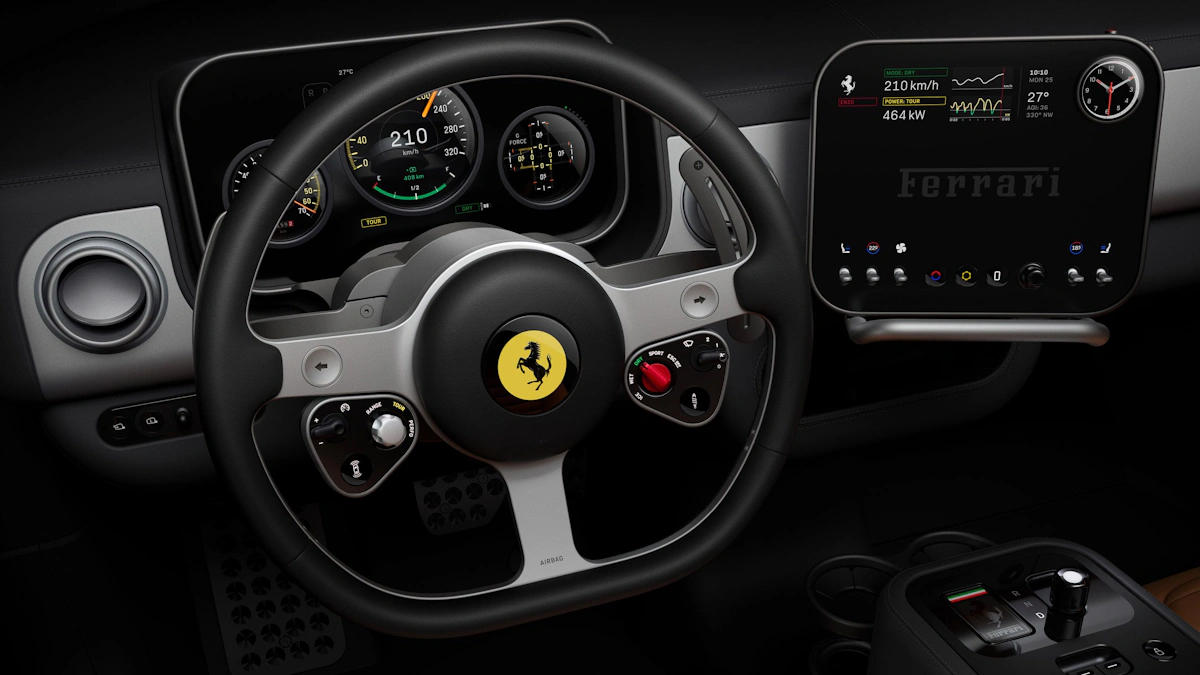
Jony Ive and Marc Newson returning to analogue driving experiences through their collaboration with Ferrari is one example. The appeal is not nostalgia alone, but the restoration of tactility, mechanical feeling and scarcity without screaming for attention.
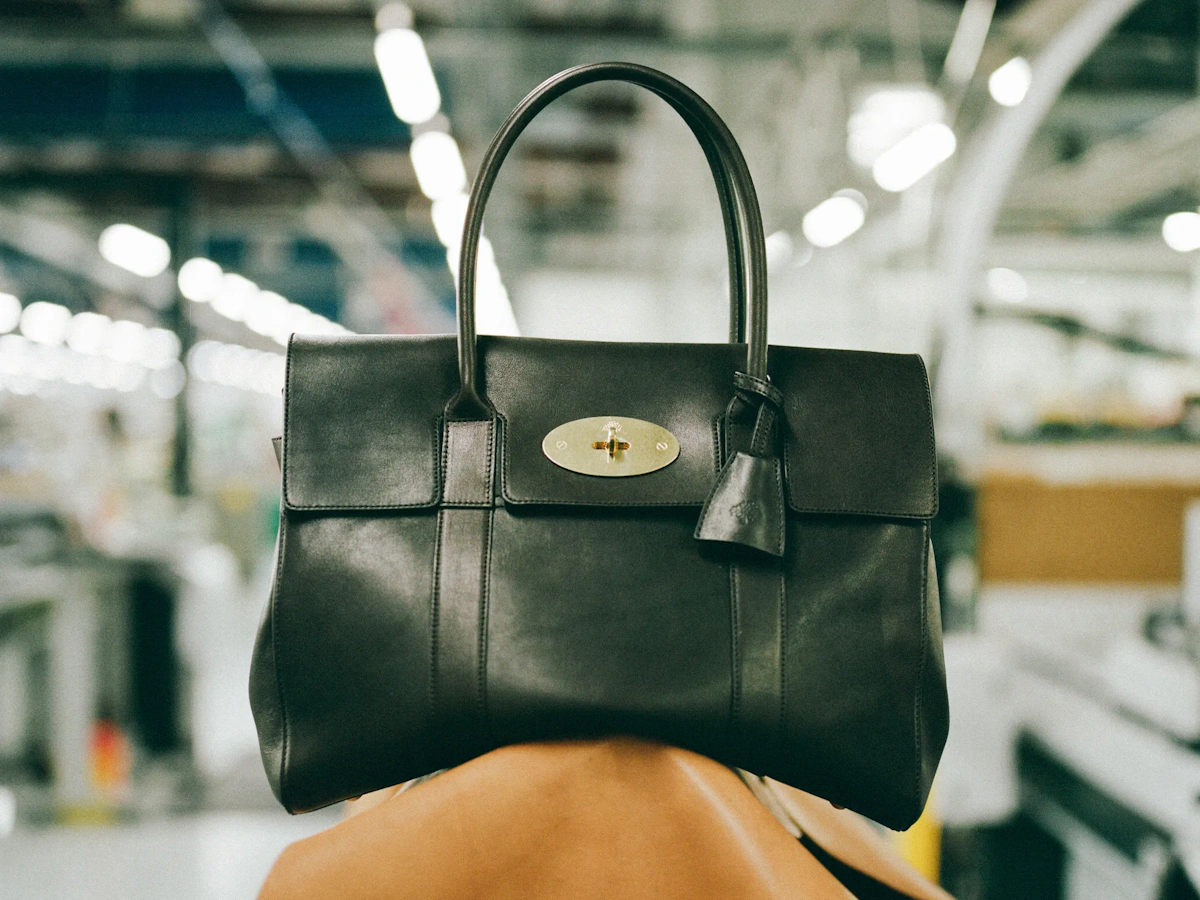
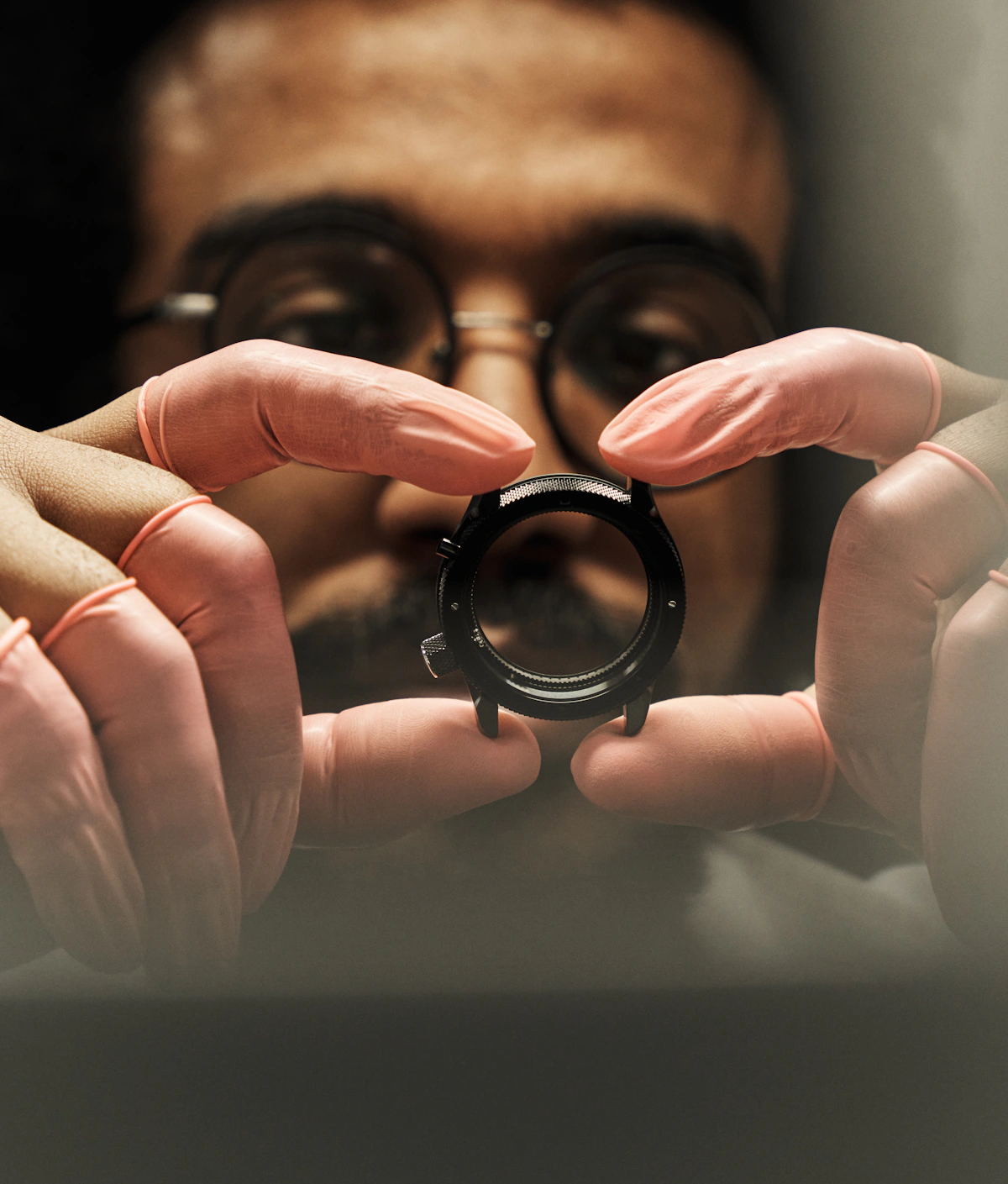
Mulberry’s recent “Made By” series shifts focus away from the finished object and onto the people behind it. The maker becomes visible. Craft stops being a marketing abstraction and becomes attached to an identifiable human hand.
Similarly, Walpole’s “Meet the Maker” series, fronted by Sam Walton, reflects a broader movement within luxury away from polished storytelling and toward provenance, process and personality.
Even hospitality is changing. Claridge’s announcing that Dante is becoming a permanent fixture is revealing for reasons beyond food. Historically, luxury hotels competed through formality, spectacle and institutional prestige. Dante represents something else entirely: an imported social ecosystem with pre-existing cultural credibility. What Claridge’s is really buying is not a restaurant concept, but an atmosphere. A neighbourhood identity. The feeling of somewhere socially lived-in rather than strategically designed.
This matters because luxury increasingly operates in a culture suspicious of performance.
Consumers are not simply looking for products that appear natural, artisanal or understated. They are becoming more sensitive to whether brands possess genuine internal coherence: whether what they make, how they behave and the worlds they create actually align.
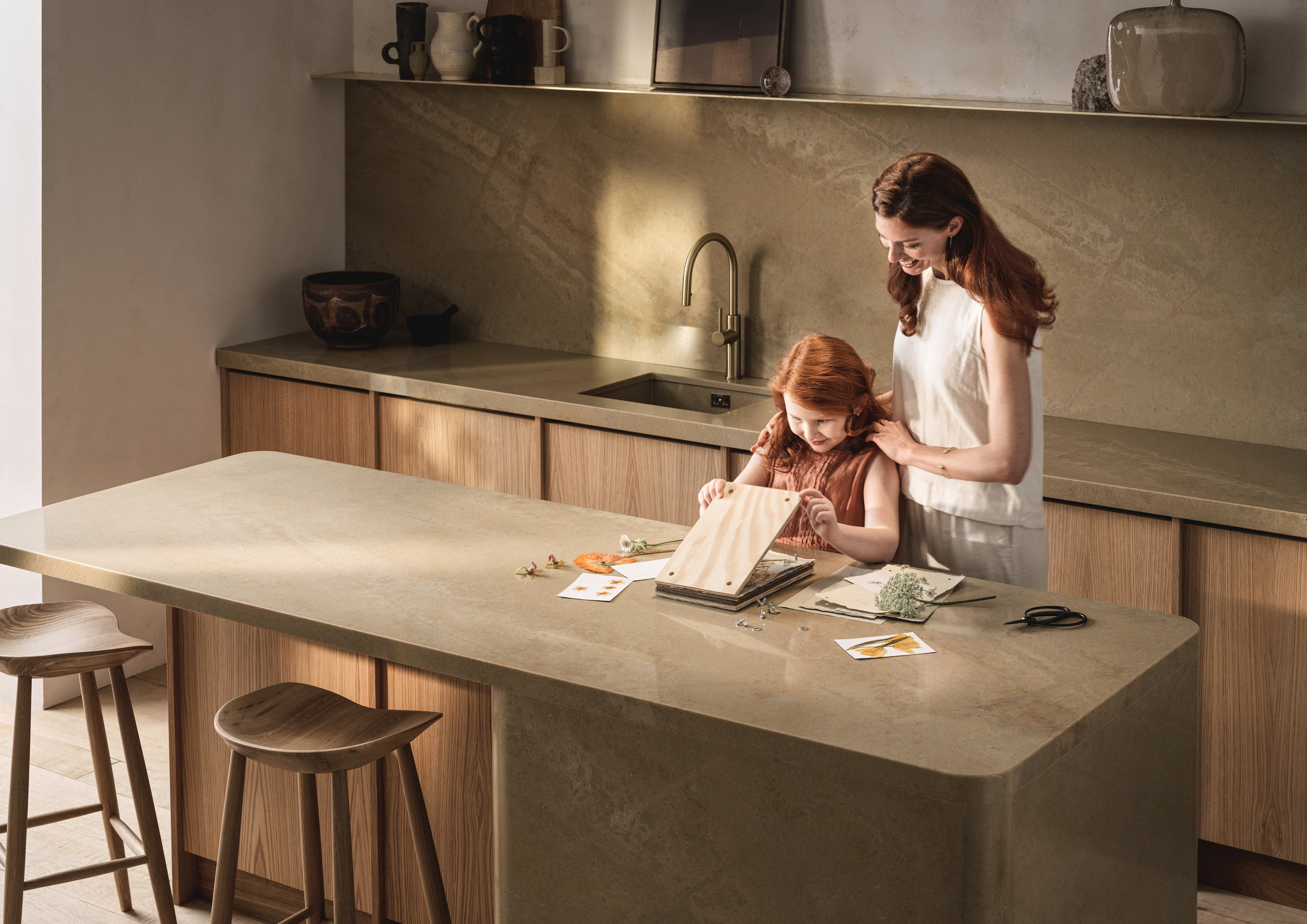
This contradiction came into focus recently during our work with Caesarstone on the launch of ICON, its new engineered surface.
The instinctive positioning route was understandable. ICON draws heavily from the natural world: its colour palettes, textures and finishes are inspired by stone, while offering greater durability and functionality. In a market increasingly drawn toward tactility and permanence, leaning into “naturalness” appeared commercially logical.


But in a category that includes actual marble and granite, claiming proximity to nature is strategically fragile. More importantly, it risks asking consumers to overlook the obvious fact that the product is engineered in favour of a narrative about design intent.
At a moment when audiences are becoming more sceptical of manufactured authenticity, that tension matters.
Rather than positioning ICON itself as authentic, we shifted the focus elsewhere. The product became less about simulating nature and more about enabling meaningful use. Less “this looks real” and more “this is where real life happens.”
The distinction is subtle but important.
Because the brands navigating this moment most successfully are not necessarily the ones making the loudest claims about craftsmanship, heritage or humanity. Often, they are the ones confident enough not to over-perform those qualities at all.
The irony is that authenticity has become a cultural obsession precisely at the moment it has become hardest to manufacture. When aesthetic signals can be copied instantly, authenticity no longer lives in surface codes alone. It lives in consistency, conviction and the accumulation of trust over time.
And increasingly, consumers know the difference.