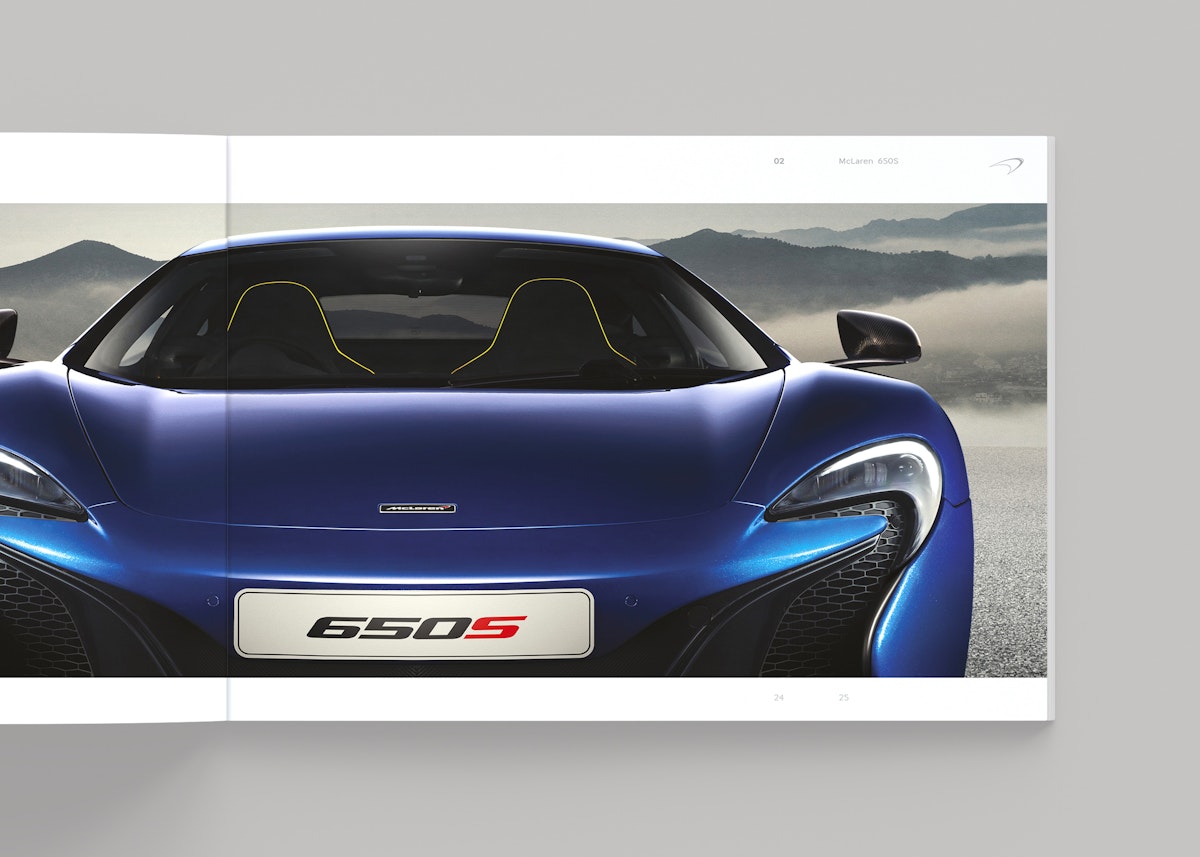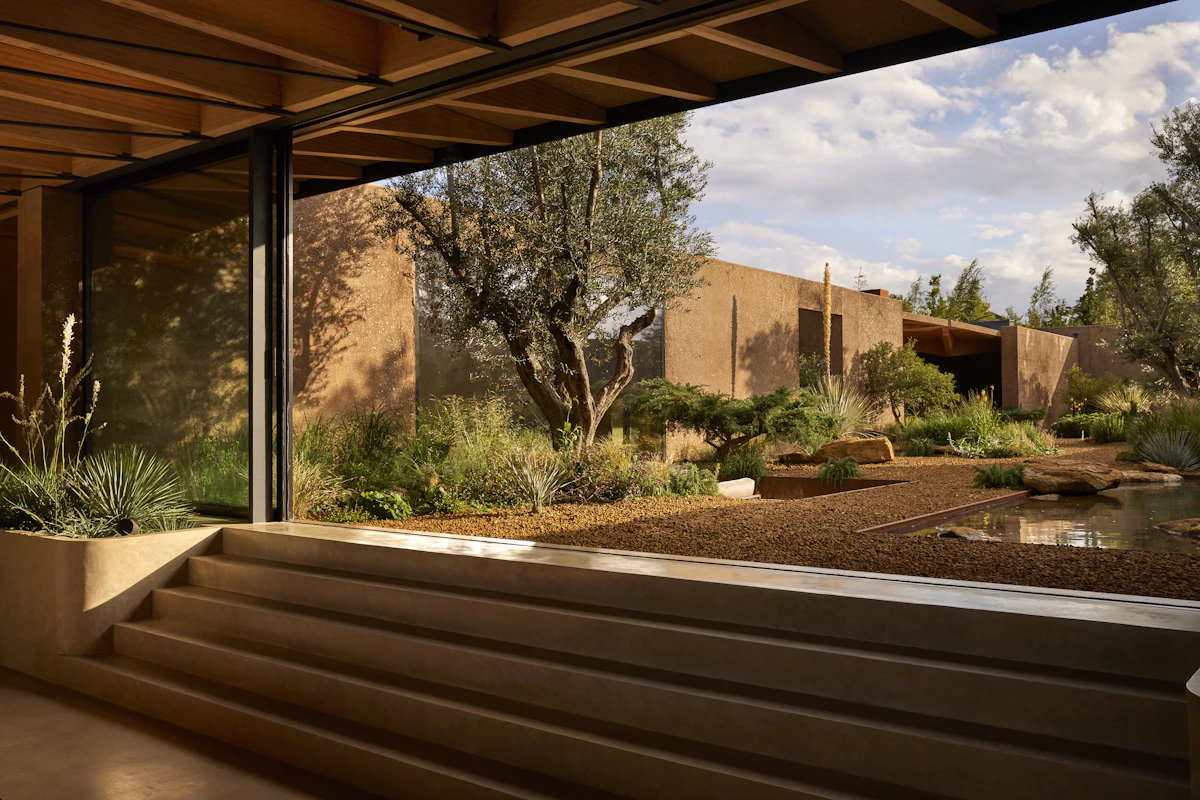
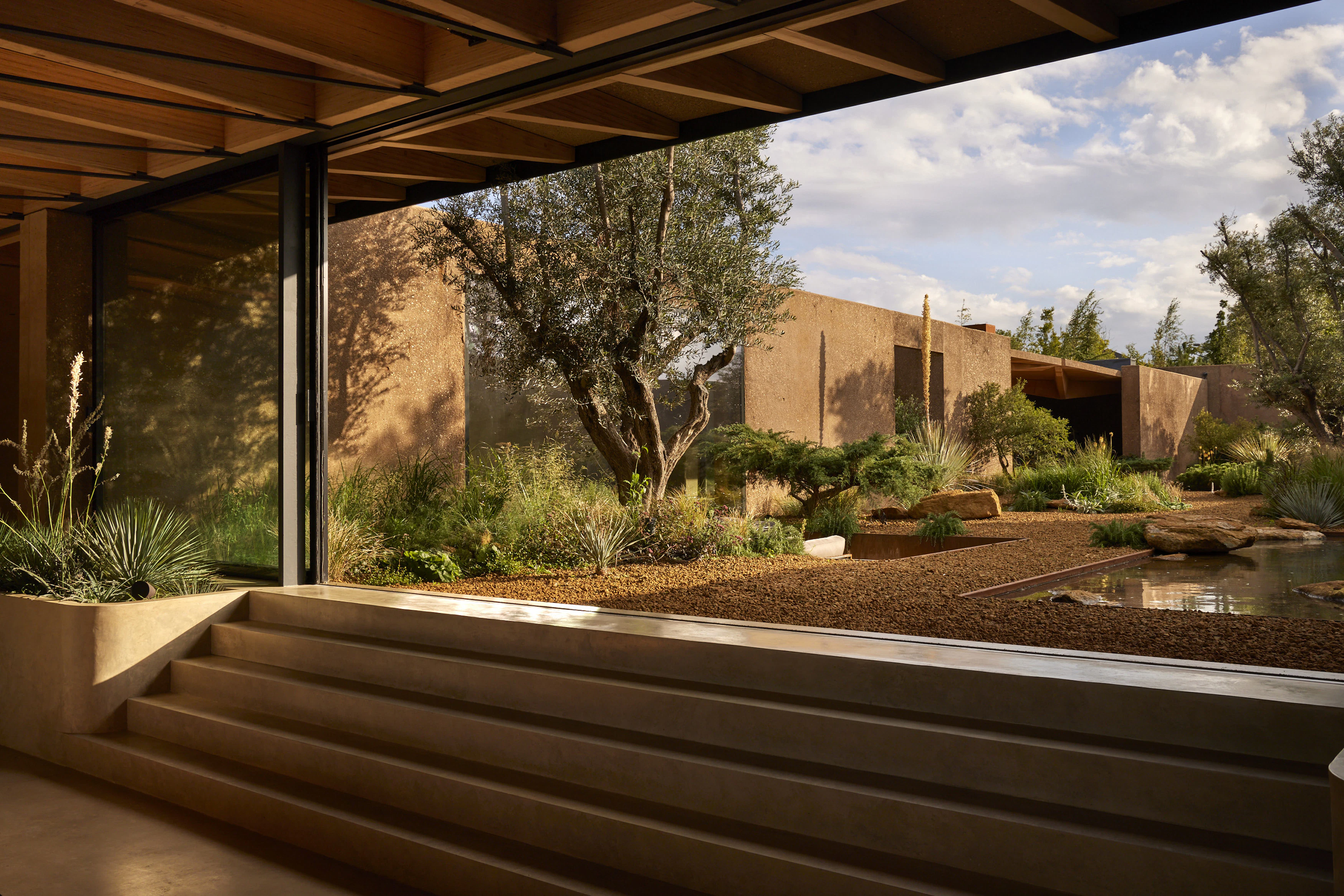
After two decades working across automotive and high-end commercial photography, Alister Thorpe made a deliberate shift into garden photography. A category he was passionate about and believed was underserved creatively and commercially.
The sector presented a clear opportunity. Many of the country’s most respected landscape designers were producing extraordinary work for private residential clients and luxury developments, yet the photography documenting these spaces often lacked the same level of craft and consideration.
Alister brought something different: technical precision, patience, horticultural understanding, and an instinct for atmosphere. What he lacked was a brand capable of communicating that value before a conversation ever began.
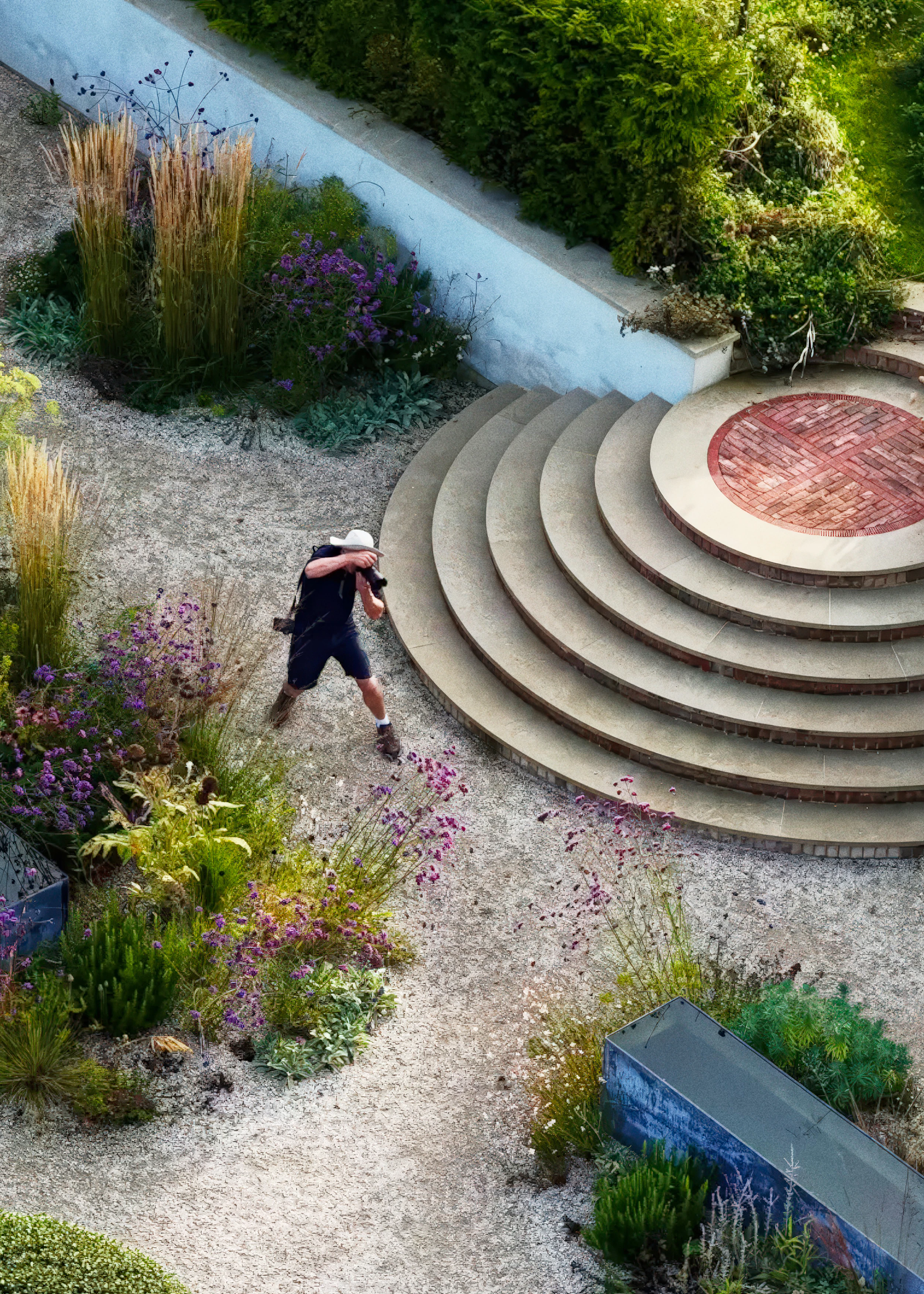
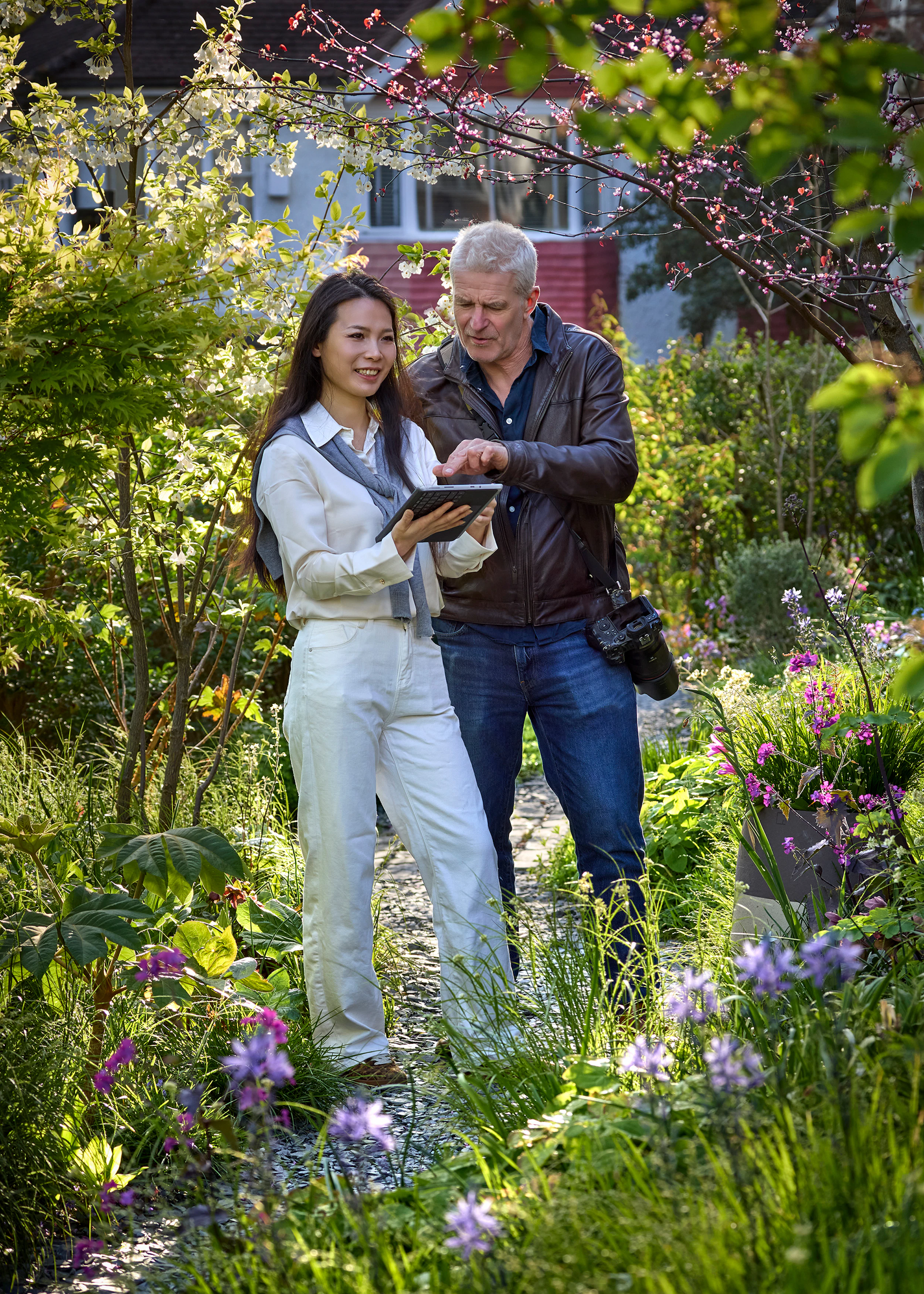
The challenge wasn’t visibility. It was positioning. Alister understood that if he entered the market looking like every other photography studio, he would be judged against the prevailing expectations of the category, both creatively and commercially.
His instinct was to avoid the industry norm entirely. Most competitor websites operated as oversized portfolios: endless grids of images, minimal context, little personality, and almost no indication of the thinking behind the work. The concern was simple: if the website only showcased outcomes, it would reduce years of expertise to a collection of photographs.
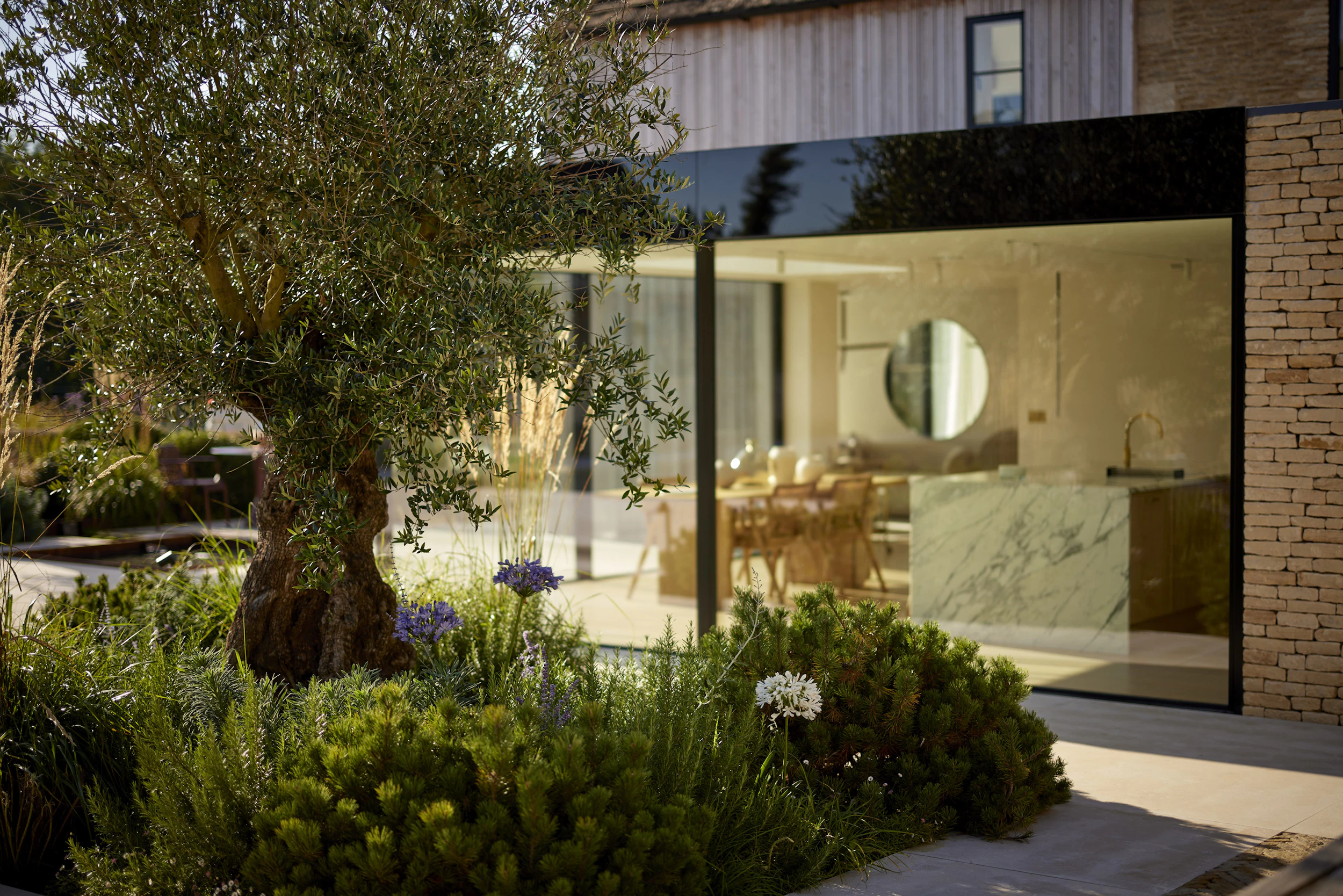
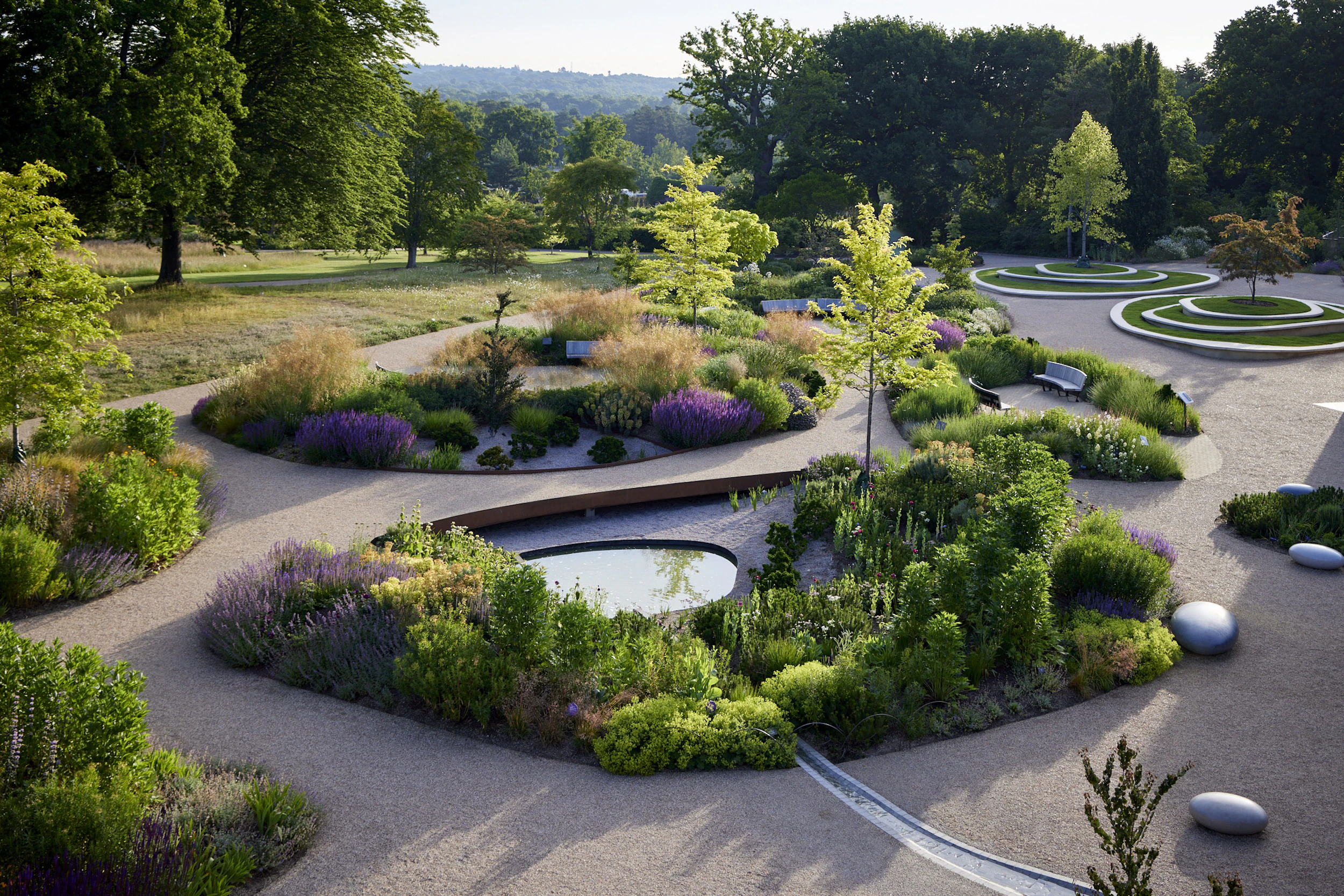
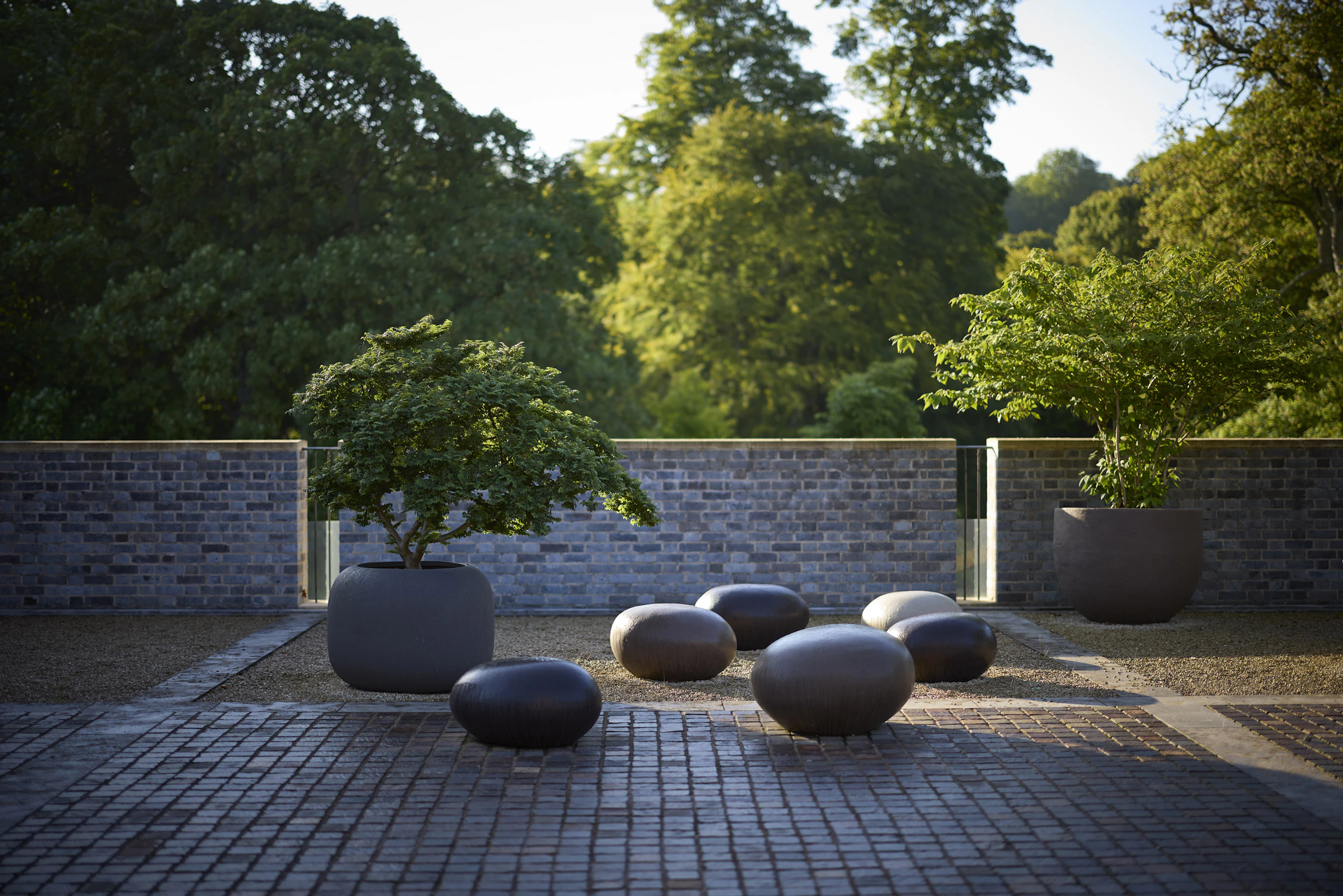
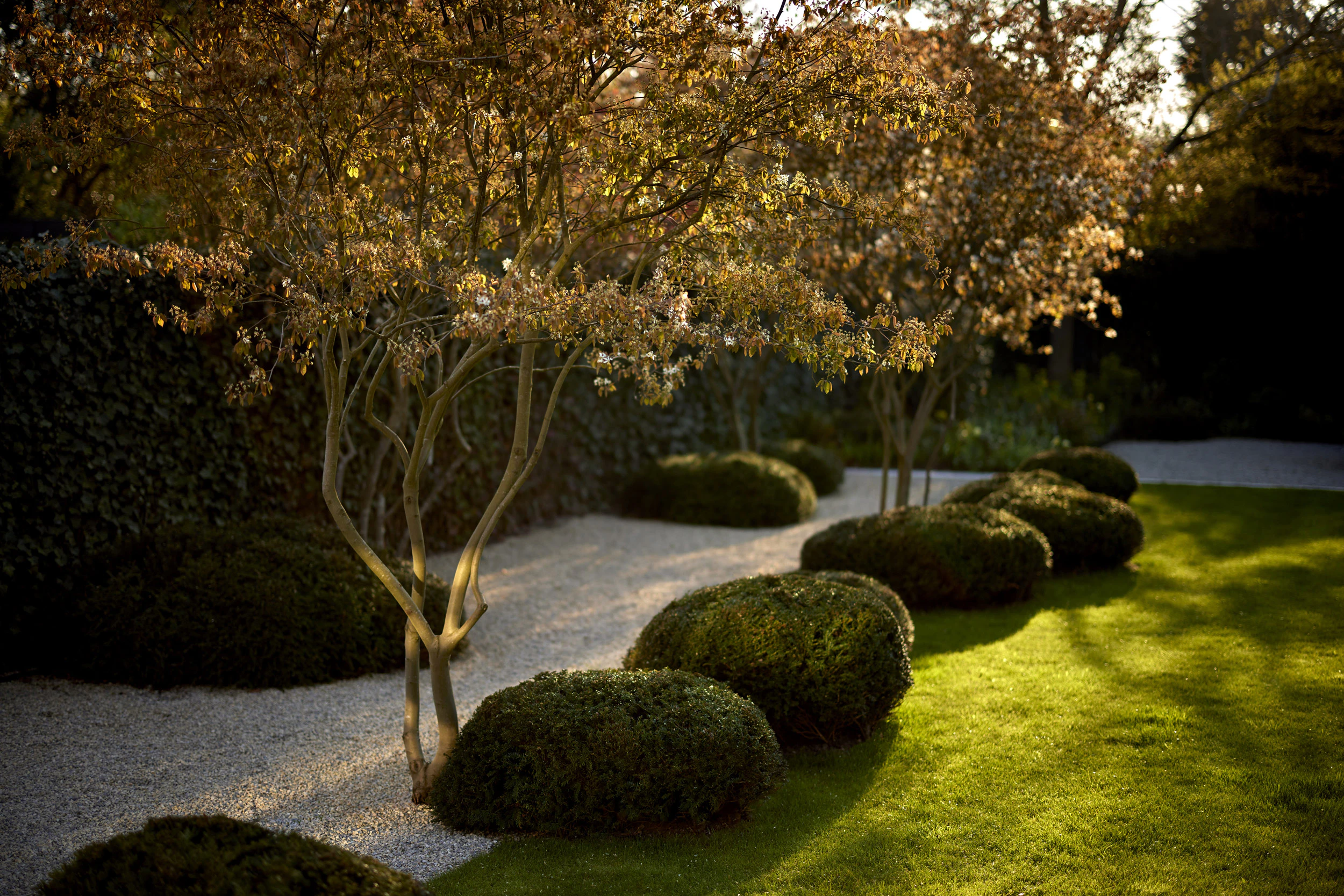
We approached the project with a principle common to luxury markets: people buy expertise before deliverables. The image itself was rarely the differentiator. Judgment was.
At the same time, Instagram had already perfected image-first presentation. Competing on volume made little sense. The website needed to do what Instagram cannot – communicate depth, process, and authority. Rather than functioning as a gallery, the site became a curated editorial experience, showing how Alister thinks, collaborates, and approaches his craft. Instagram would showcase the work. The website would communicate the value behind it.
The identity system was built to resonate with architects and landscape designers: structured, refined and contemporary without feeling clinical.
A palette of warm off-whites introduced natural softness, while black accents created contrast and confidence. Typography combined restraint with character, pairing clean layouts with an expressive serif inspired by editorial design and botanical forms.
The result feels informed by both horticulture and high-end design culture.
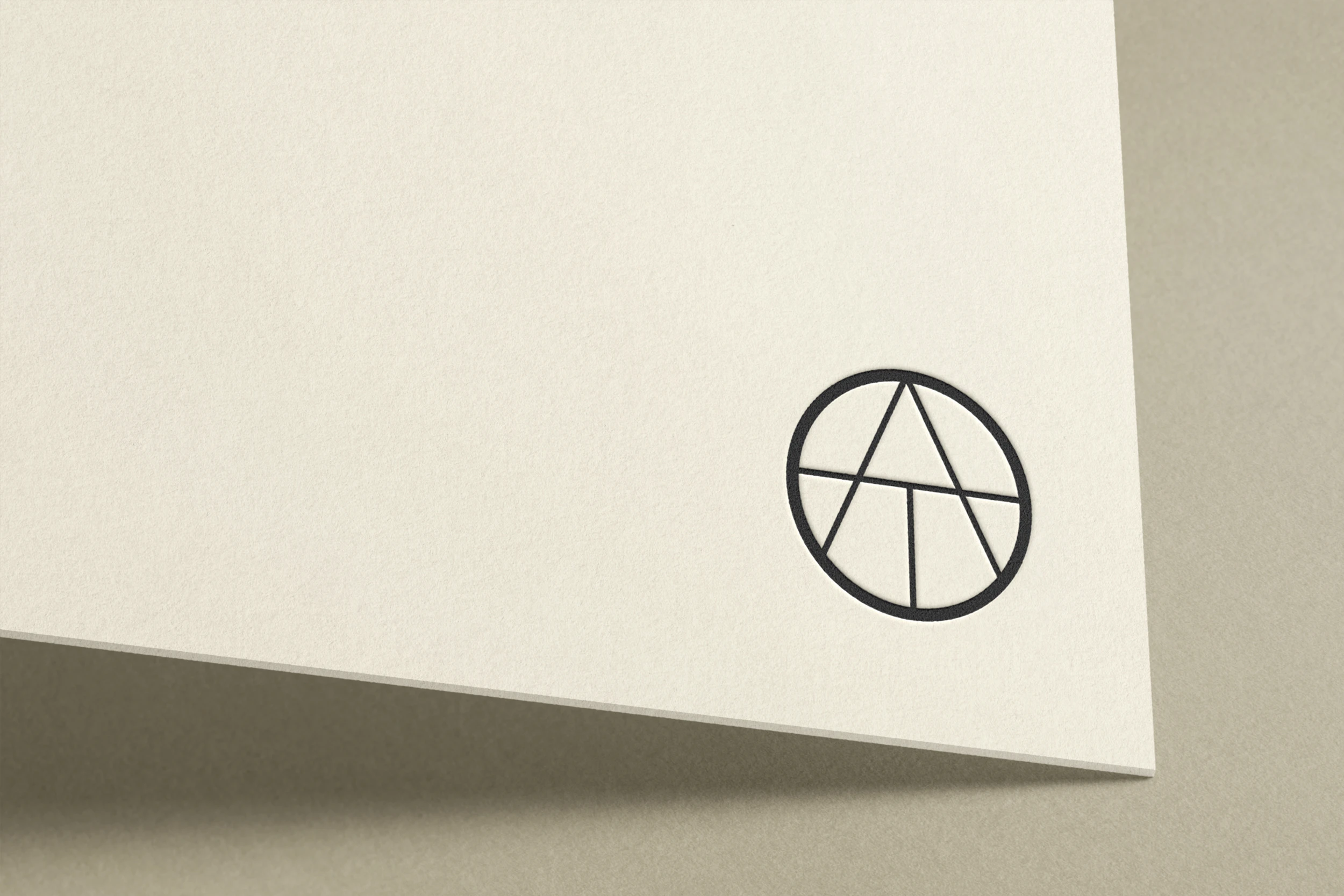
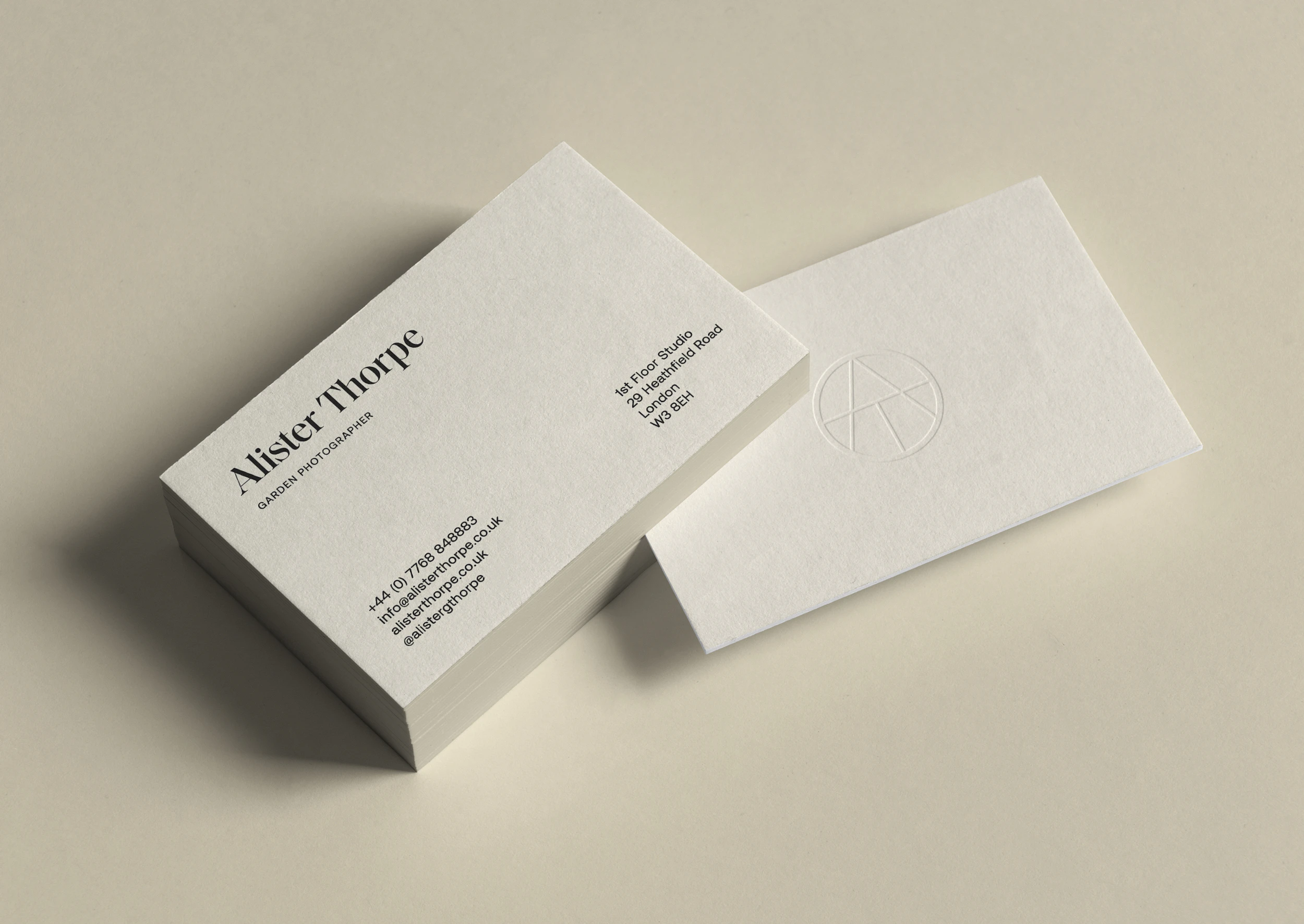
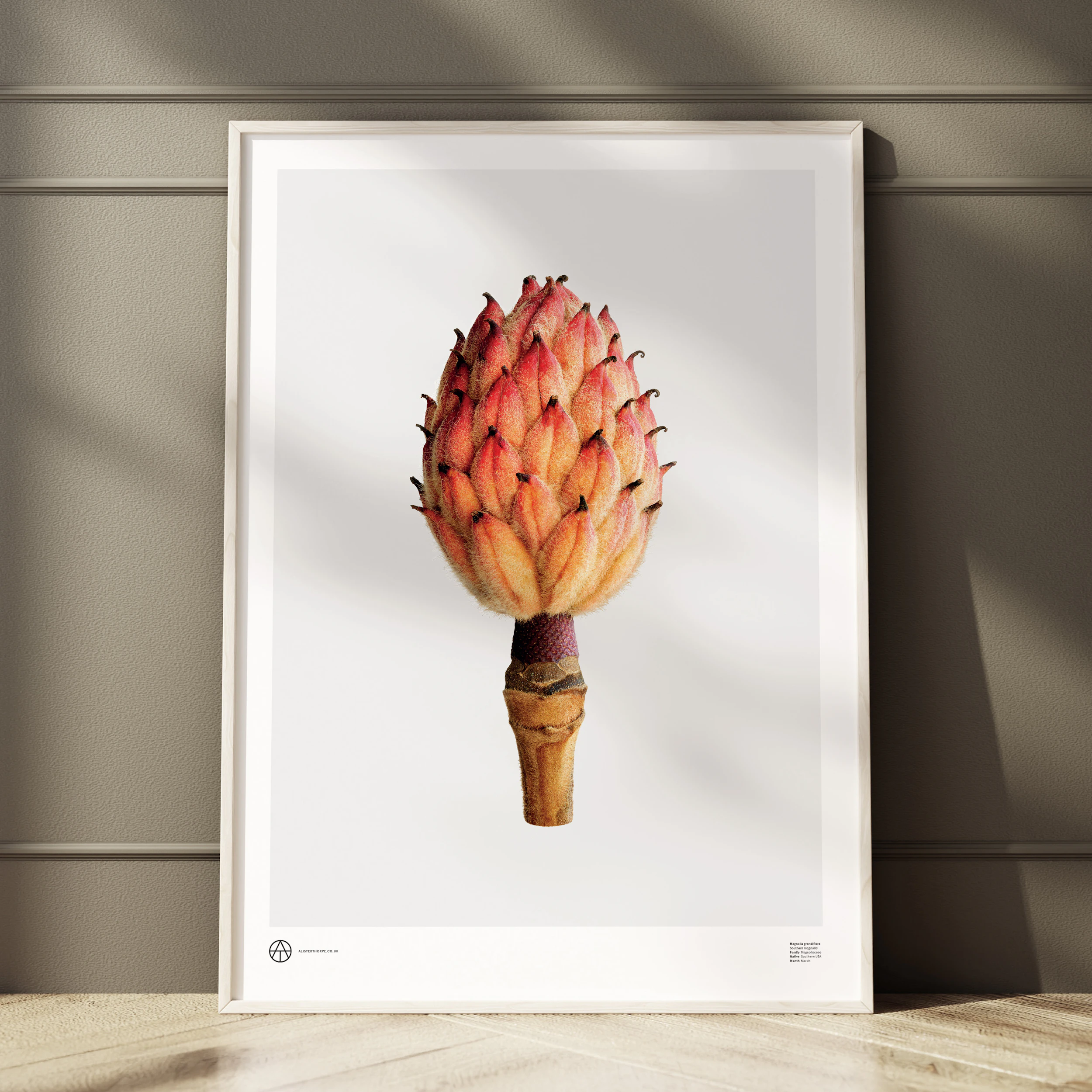
Before the website launched, we introduced the brand physically. A limited-edition teaser poster was mailed to leading garden designers across the UK.
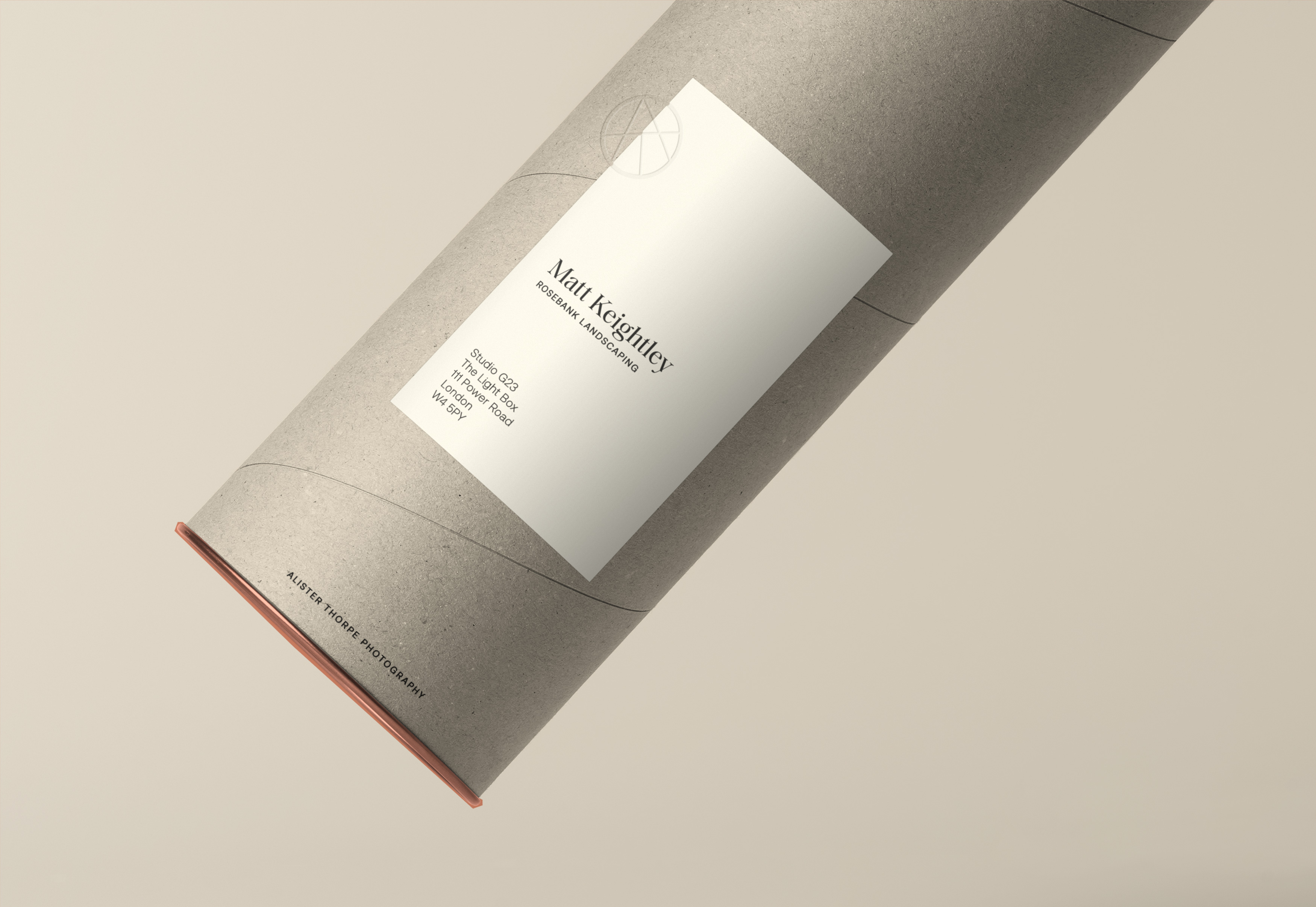
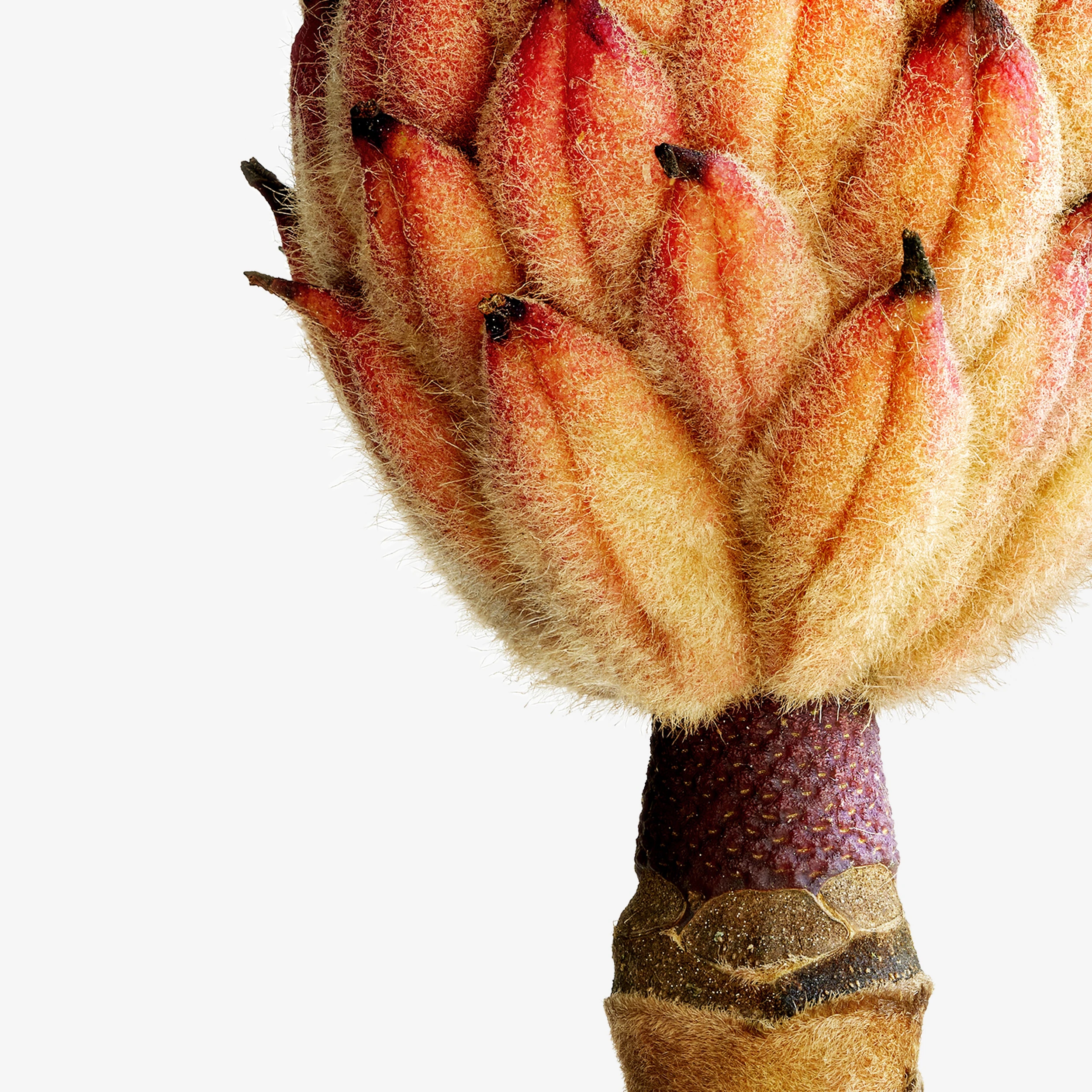
The image was a macro photograph of a seed against a white background. It was deliberately restrained: botanical, graphic, and quietly symbolic.
The piece was designed to feel collectible rather than promotional. Weight, finish, and material quality all reinforced the positioning of the brand before recipients had even visited the website.
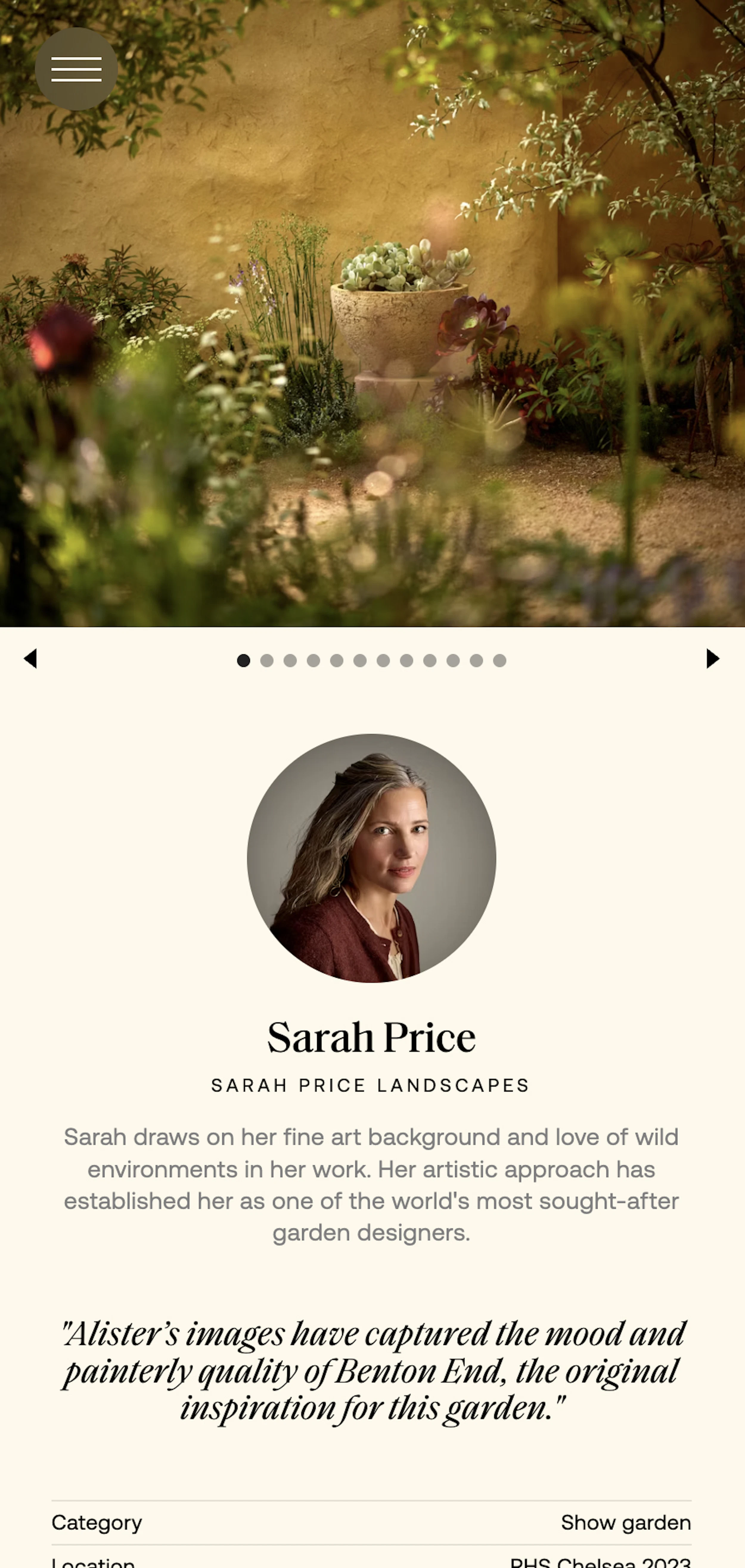
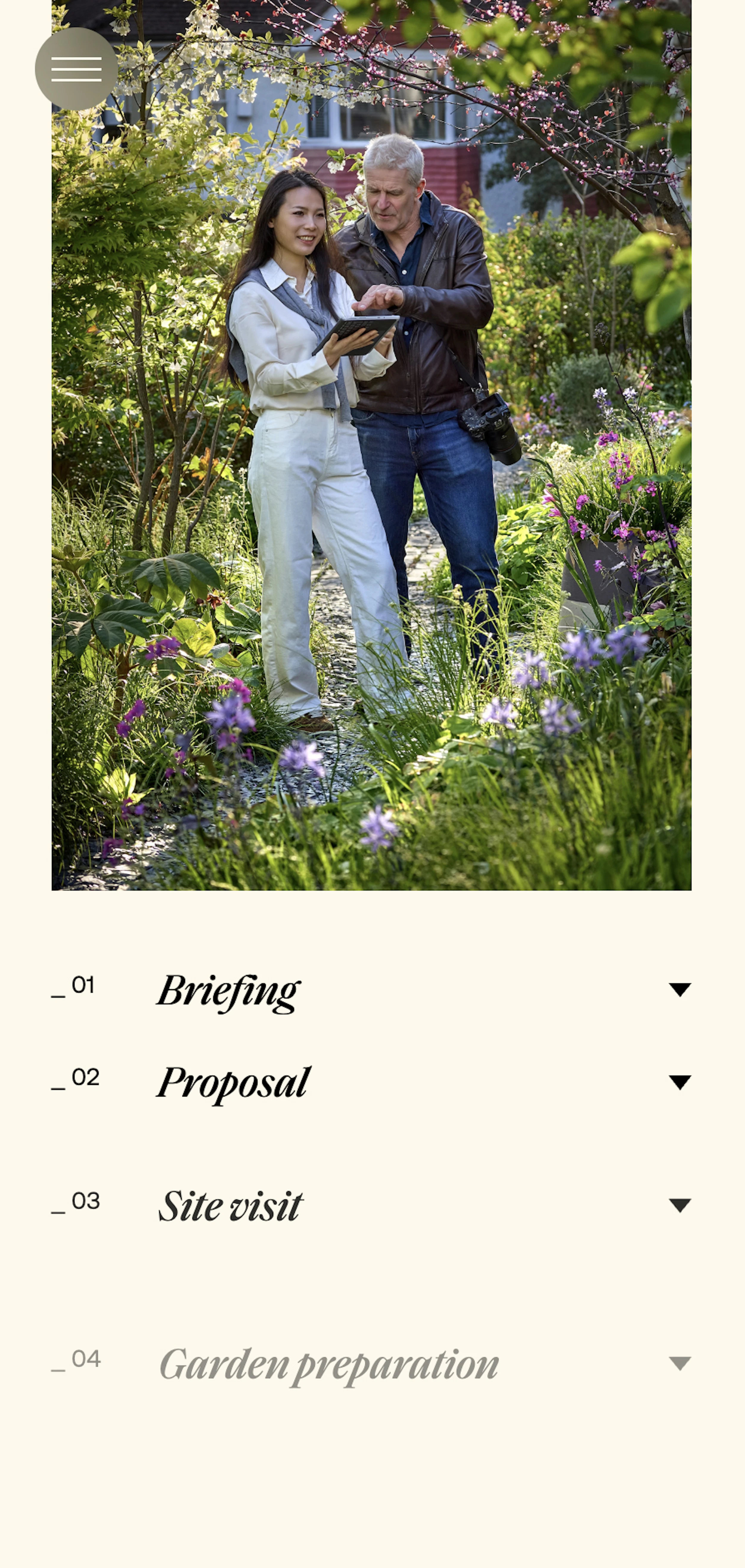
The website was designed to communicate expertise as much as imagery. Projects are framed through context: the design brief, environmental conditions, collaboration process, and technical challenges behind the final photographs. Rather than encouraging users to endlessly scroll, the experience slows them down and invites closer attention.
This allowed us to support Alister’s instinct for curation while giving the overall body of work greater cumulative impact. The outcome is a portfolio that behaves less like an archive and more like a point of view.
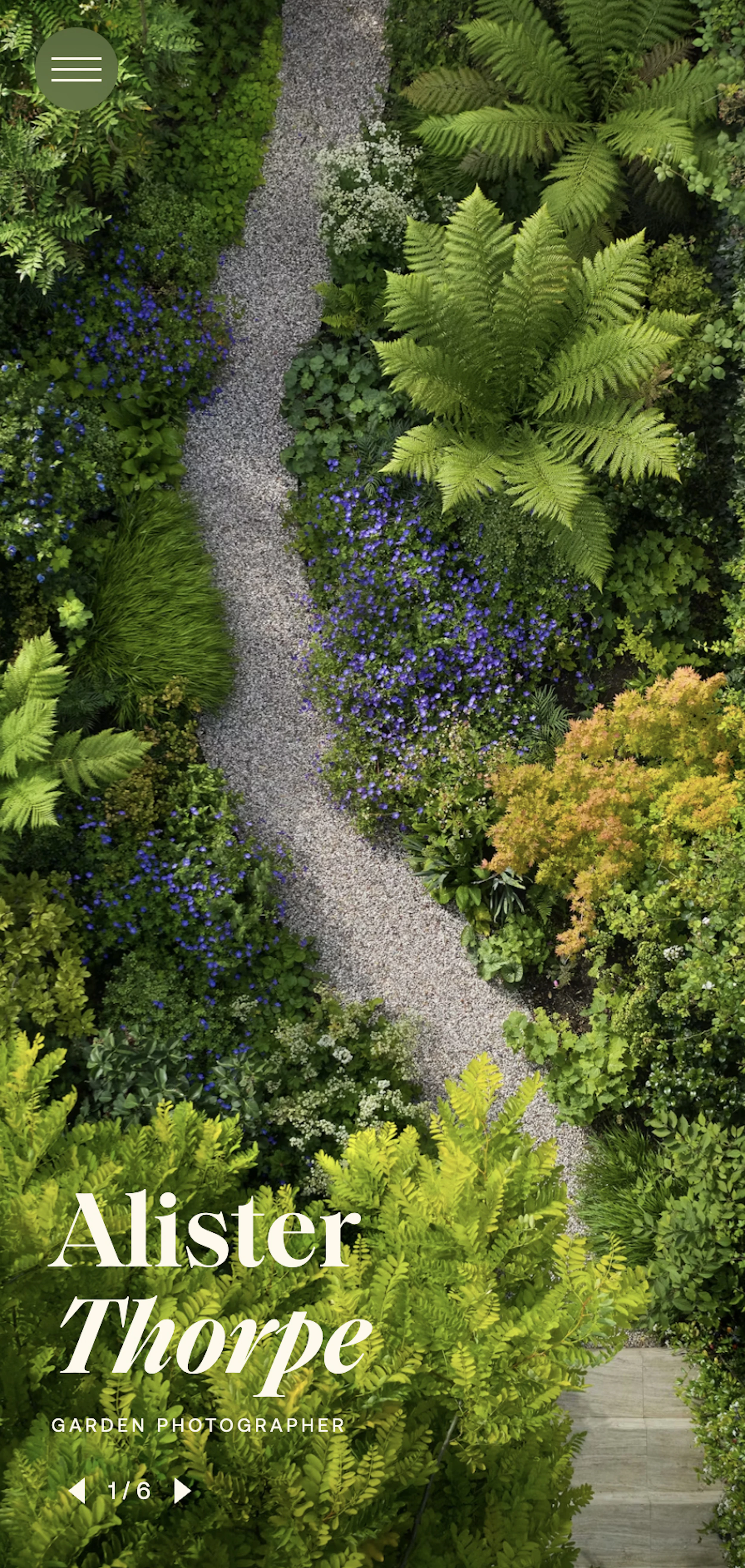
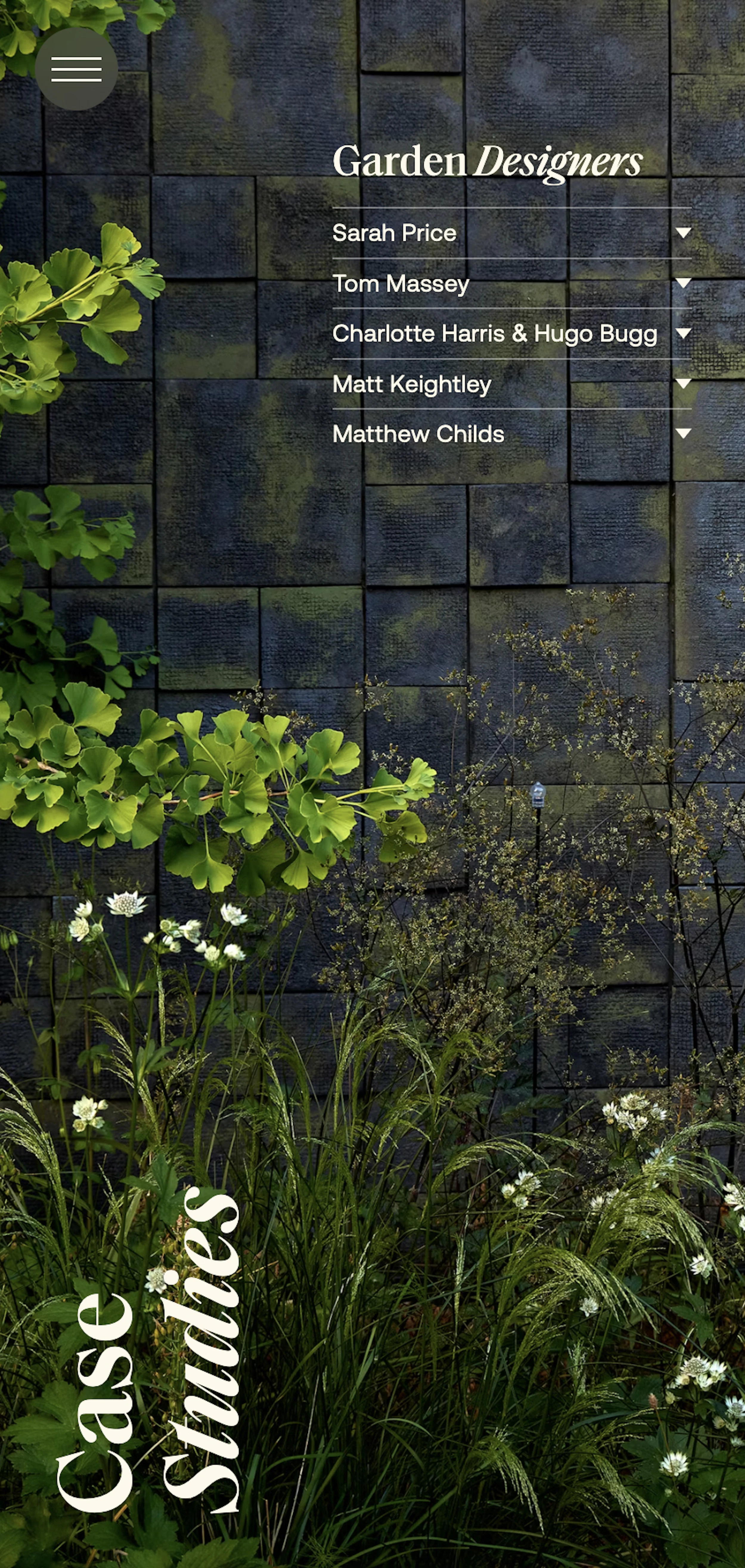
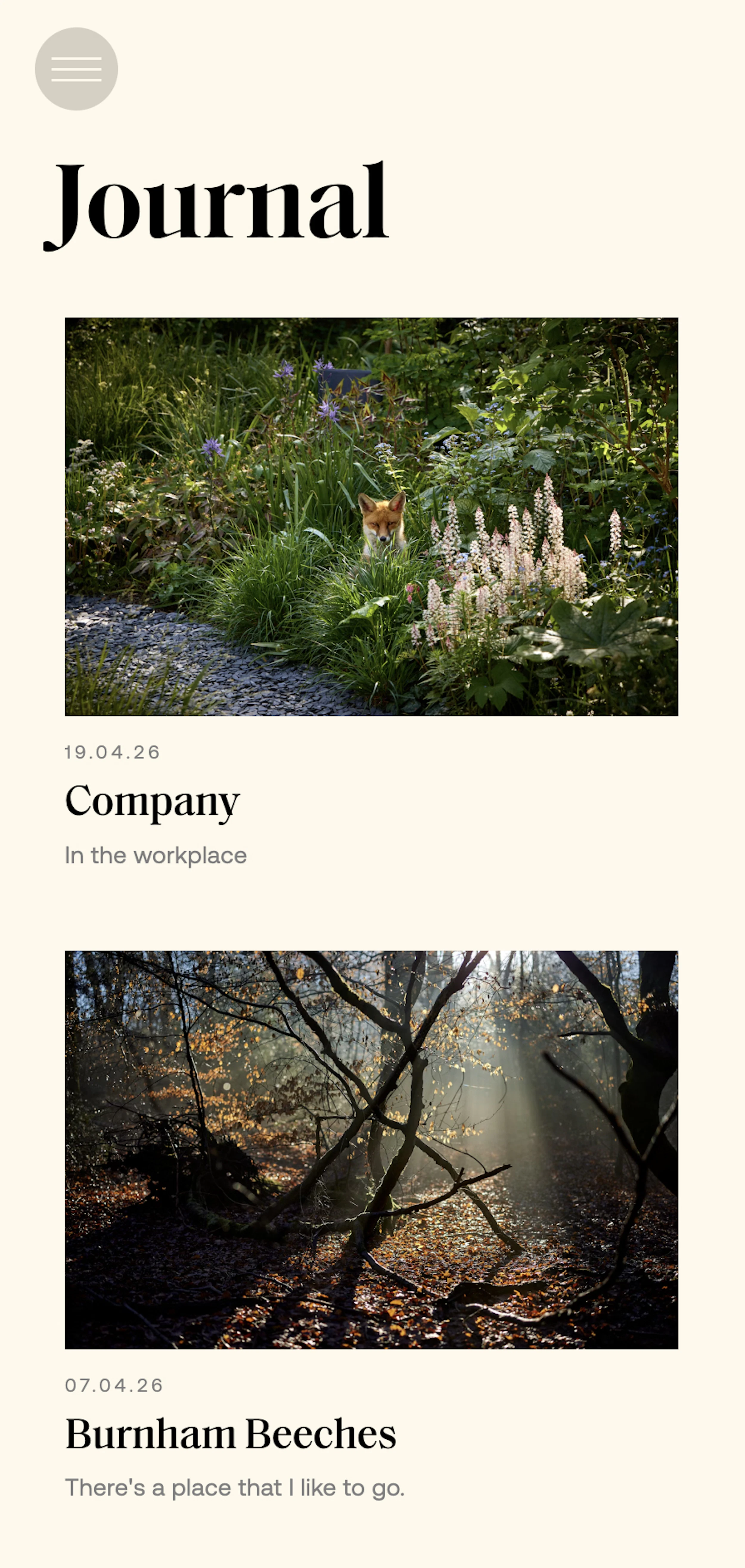
The launch campaign generated immediate traction within the garden design community and significantly expanded Alister’s enquiry pipeline ahead of the full site release. His audience on Instagram grew beyond 12,500 engaged followers, while conversations with leading designers accelerated rapidly following the print campaign.
The project has since evolved into broader strategic discussions around a collaborative service offering for landscape designers — combining photography, branding, digital, and print into a more integrated creative partnership.
This project reflects a broader shift happening across creative industries. As AI-generated imagery and content become increasingly common, technical output alone becomes less valuable. What clients increasingly seek is evidence of taste, experience, judgment, and human perspective.
For Alister, the most important differentiator was never simply the photographs themselves. It was the expertise behind them: two decades of observation, technical discipline, horticultural understanding, and the ability to recognise atmosphere when it appears — often briefly and unpredictably.
That level of sensitivity cannot be automated. But it can be positioned clearly.